

Summary
Seasonal windstorms in the Pacific Northwest can place significant stress on trees, increasing the risk of falling limbs and structural failure. Proactive maintenance such as removing deadwood, thinning dense canopies, and inspecting for cracks or decay can greatly reduce storm-related damage. This guide outlines the key steps homeowners can take to prepare trees before major wind events and protect their property throughout the storm season.
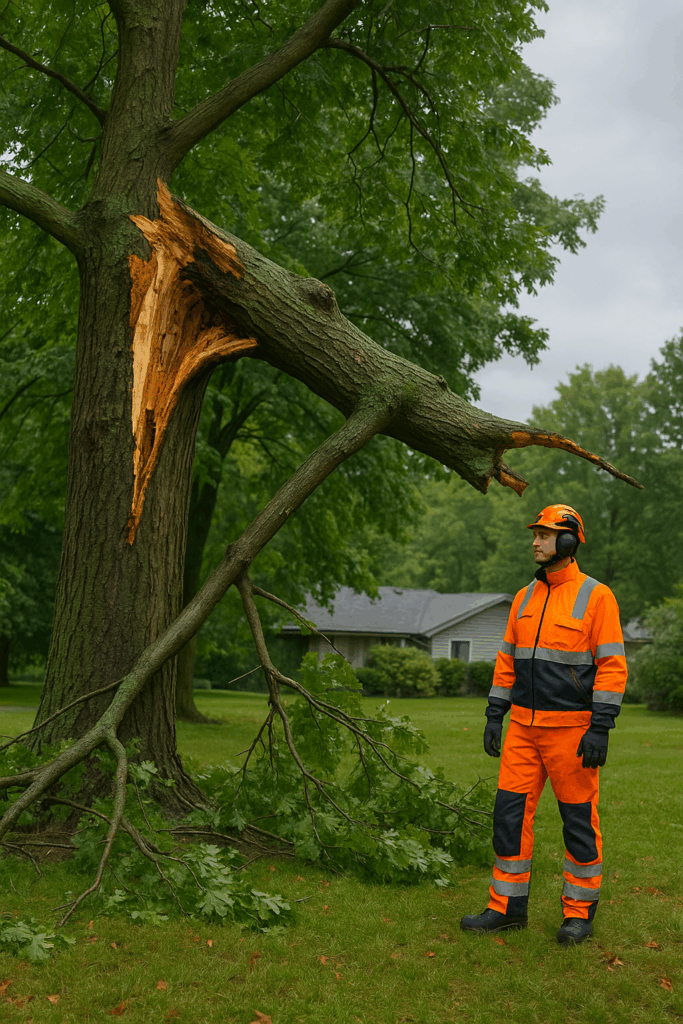
Seasonal windstorms in the Pacific Northwest can place significant stress on trees and surrounding landscapes. Proactive maintenance is the most effective way to reduce storm damage, minimize risk to structures, and keep your property safe. The following steps outline the most important preparation measures prior to major wind events.
1. Remove Dead or Compromised Branches
Dead, broken, or weakened branches are the first to fail during high winds. Removing deadwood reduces the likelihood of falling limbs and prevents secondary damage.
2. Thin Dense Tree Canopies
Selective canopy thinning allows wind to pass through the tree more evenly, decreasing wind load and reducing the risk of structural failure.
3. Shorten Overextended or Heavy Limbs
Long horizontal limbs or heavy branches can break under stress. Reducing length and weight helps improve overall stability.
4. Inspect for Cracks, Decay, or Leaning
Structural defects often worsen during storms. Cracks in the trunk, visible cavities, fungal growth, or sudden leaning are indications that a tree requires professional assessment.
5. Clear Vegetation Away From Homes and Structures
Branches hanging over roofs, driveways, walkways, or outdoor living spaces are particularly vulnerable during wind events. Pruning these areas reduces the risk of property damage.
6. Evaluate Trees Near Power Lines
Trees growing close to power lines pose safety hazards and must be handled by qualified professionals. Never attempt to trim or remove vegetation near energized lines.
Ideal Timing for Storm Preparation
Storm-preparation pruning is most effective when completed between late summer and early winter, before the strongest wind events of the season. Early preparation ensures that trees remain stable and safe throughout the colder months.
Professional Storm-Readiness Evaluations
A certified arborist can identify structural concerns, recommend appropriate pruning, and help ensure your property is ready for storm season. Progression Tree Care provides thorough pre-storm assessments and maintenance services throughout Woodinville, Bothell, Kirkland, Redmond, and surrounding areas.
For a professional evaluation before storm season, contact Progression Tree Care. Our team provides clear recommendations and high-quality pruning to help protect your home and property during PNW windstorms.
Recent Comments